
(32915) Policies and Documents in Early Years Settings USE H5P [h5p id="116"]
Early years settings should have clear, up-to-date policies and procedures in place to help keep children with allergies safe. These should be shared with staff, parents and carers so everyone understands how allergies are managed within the setting.
Supporting Children with Medical Needs
Under the Early Years Foundation Stage (EYFS) framework, providers must have arrangements in place for supporting children with medical conditions, including allergies and anaphylaxis.
Policies and procedures should:
- explain how the setting supports children with allergies and medical needs,
- outline staff roles and responsibilities,
- include arrangements for administering medication,
- explain emergency response procedures, and
- be reviewed regularly and shared with relevant staff and parents/carers.
Staff should understand the setting’s procedures and follow them consistently.
Care Plans and Allergy Information
Children with allergies may have: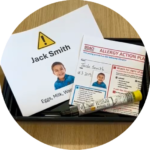
- individual healthcare plans (IHPs),
- allergy action plans, or
- medication consent forms.
These documents help ensure staff understand:
- the child’s allergies and symptoms,
- known triggers or allergens,
- what medication is required, and
- what action to take in an emergency.
Allergy information should be kept accurate, up to date, and easily accessible to relevant staff.
Risk Assessments
Early years settings should carry out risk assessments where appropriate to help reduce allergy risks during:
- meal and snack times,
- messy play and sensory activities,
- cooking activities,
- outings and trips, and
- special events or celebrations.
Risk assessments should identify potential risks and explain how these will be managed to help keep children safe and included.
Confidentiality and Information Sharing
Children’s medical information should be handled sensitively, while ensuring staff have the information they need to keep children safe.
Settings should:
- agree with parents/carers how allergy information will be shared,
- ensure relevant staff understand the child’s needs and emergency procedures, and
- balance confidentiality with the need to protect children from harm.
Good communication between staff and families helps support both safety and inclusion.