
(31939) Biphasic Anaphylaxis (Second Wave Reactions) NEW LESSON
In some cases, anaphylaxis can appear to improve, but then symptoms return later without any further exposure to the allergen.
This is known as a biphasic reaction, or a second wave of anaphylaxis.
This second phase can sometimes be difficult to distinguish from ongoing anaphylaxis that has only temporarily improved after treatment, or from symptoms worsening due to continued absorption of the allergen, such as food still in the digestive system.
The second reaction can be milder, similar in severity, or occasionally more severe than the first.
Just like the initial reaction, it requires urgent medical attention.
When does it happen?
Biphasic reactions most commonly occur several hours after the initial reaction.
Because of this, monitoring after anaphylaxis is important, although the exact observation period needed is not always certain.

How common is it?
Biphasic reactions occur in around 5 percent of people who experience anaphylaxis.
That means approximately 1 in every 20 individuals.

Who is at higher risk?
The risk of a biphasic reaction is higher if:
- The initial reaction was severe
- More than one dose of adrenaline was needed
- There was a delay in giving adrenaline of more than 30 to 60 minutes after symptoms started
- Or the person has had a previous biphasic reaction
Why this matters 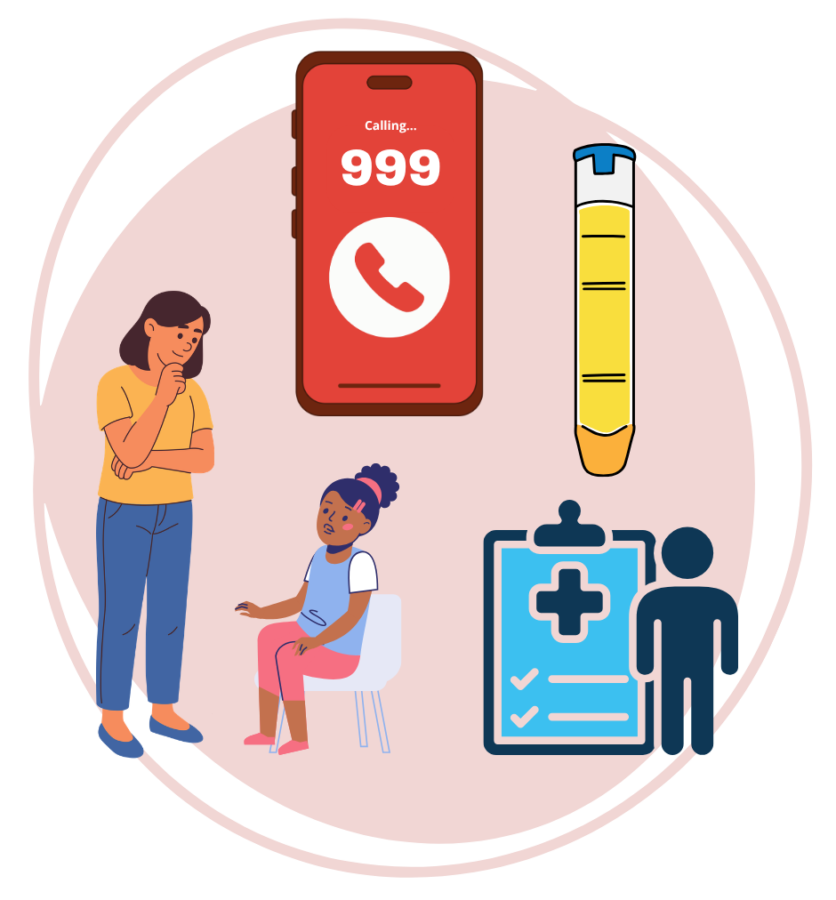
Even if someone appears to have fully recovered after using their AAI or EURneffy spray, they may still be at risk of symptoms returning.
This is why all cases of suspected anaphylaxis must be treated seriously.
Key actions:
If anaphylaxis is suspected:
- Call 999
- Give adrenaline immediately
- Stay with the causulty and monitor them closely
- Ensure they are medically assessed, even if they seem to recover
If you are aware that someone has been treated for anaphylaxis in the previous 24 hours, they may still be at risk of a biphasic reaction.
Remain vigilant for any returning symptoms and follow emergency procedures immediately if symptoms reappear.