
(32090) Mild Allergic Reactions + H5P 115
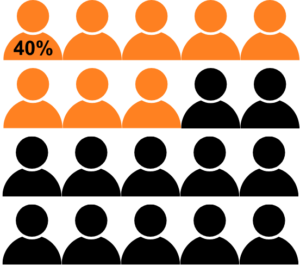 Mild allergic reactions are common in children. In the UK, around 40% of children have been diagnosed with an allergy, including conditions such as hay fever and eczema.
Although mild reactions are not usually life-threatening, they can still affect a child’s comfort and ability to take part in daily activities. These reactions are often caused by allergens such as pollen, dust, animals or certain foods.
It is important to remember that allergic reactions can change; a reaction that starts off mild can become more serious. Children should always be monitored, and any worsening symptoms should be taken seriously.
Signs and symptoms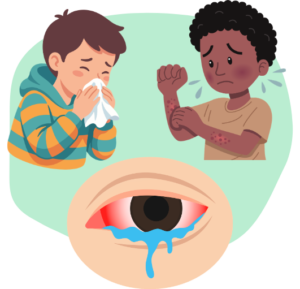
Mild allergic reactions can vary from child to child but often include:
- Sneezing, congestion, or a runny or blocked nose
- Itchy, red or watery eyes
- Skin reactions such as itching, mild rashes or hives
- General discomfort or irritation
Symptoms are usually localised and mild, and do not involve breathing difficulties or signs of anaphylaxis. However, staff should remain alert, as symptoms can develop or worsen.
Treatment and management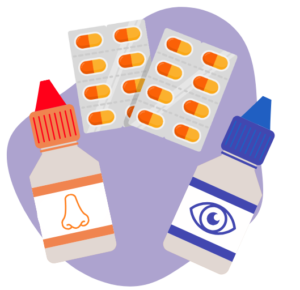
Mild allergy symptoms can often be managed with medication, particularly for ongoing conditions such as hay fever.
Common treatments include:
- Antihistamines, which can help relieve itching, sneezing and rashes
- Nasal sprays, used to reduce congestion and nasal symptoms
- Eye drops, used to relieve itchy or watery eyes
Avoiding known triggers is also an important part of managing symptoms.