
(31949) Food Intolerance
Food intolerance happens when the body has difficulty digesting certain foods. It is not the same as a food allergy because it does not involve the immune system.
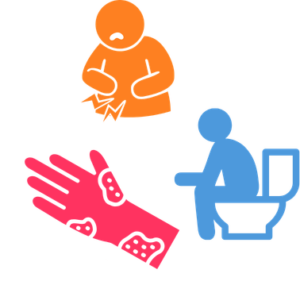
Common symptoms include:
- Bloating
- Stomach pain
- Diarrhoea or constipation
- Skin problems such as eczema
Symptoms usually appear a few hours after eating, but can sometimes take longer.
Food intolerances are not life-threatening and do not cause anaphylaxis, but they can still make someone feel unwell.
Managing food intolerance
The best way to manage a food intolerance is to identify and avoid trigger foods, often by keeping a food diary.
Key actions:
- Follow the child’s individual dietary needs or care plan where one is in place
- Ensure all staff are aware of any known food intolerances
- Provide accurate food information and labelling for meals and snacks
- Take children’s symptoms seriously and report concerns to parents or carers
- Encourage good hygiene and prevent cross-contact where possible