
(32169) Anaphylaxis – Recognition and the ABC Approach
Anaphylaxis is a severe and potentially life-threatening allergic reaction that can develop very quickly. Immediate recognition and treatment are essential to prevent serious harm or death.
If a child with a known allergy suddenly becomes unwell, especially with breathing difficulties, always assume anaphylaxis and act immediately.
Recognising anaphylaxis - the ABC approach
The ABC approach can help you quickly identify the signs of anaphylaxis. Symptoms can affect more than one part of the body and may appear rapidly.
A - Airway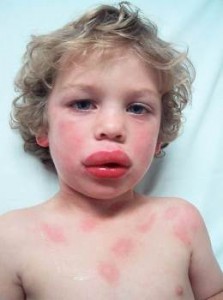
- Swelling of the tongue, throat or face
- Difficulty swallowing or speaking
- Hoarse voice or changes to voice
B - Breathing
- Breathing difficulties that can range from noisy breathing (stridor) due to upper airway swelling to wheezing due to lower airway obstruction.
- Persistent cough
- Chest tightness or severe asthma symptoms
C - Circulation
- Dizziness, fainting or collapse
- Pale, clammy or floppy appearance
- Rapid heartbeat or low blood pressure
Other symptoms: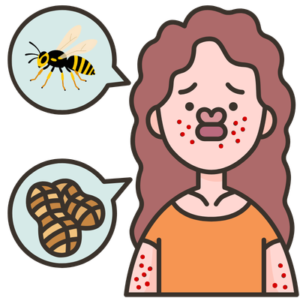
- A sense of impending doom (fear of dying)
- Skin reactions such as hives, rash or flushing
- Stomach pain, vomiting or diarrhoea
- A recent exposure to known food allergens or insect stings.
You do not need to see all of these symptoms to suspect anaphylaxis. Symptoms can worsen quickly, so act immediately.