
(32557) Inclusion and Safeguarding
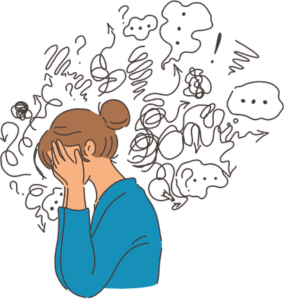 Living with allergies often has a social and emotional impact on children, particularly when they feel different from others or worry about having an allergic reaction.
Children with allergies may experience anxiety about food, eating around others, school trips, parties, or taking part in activities.
Some children may feel excluded, embarrassed, or frustrated if they are unable to eat the same foods as their peers or if extra precautions are needed to keep them safe.
Bullying and Unsafe Behaviour
Children with allergies may also experience teasing, bullying, or unsafe behaviour from others who do not fully understand the seriousness of allergies.
You can help reduce these risks by promoting allergy awareness and helping pupils understand how allergies can affect others. Teaching children about allergies in an age-appropriate way can encourage empathy, inclusion, and safer behaviour.
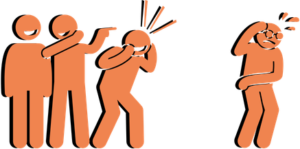
Pupils should understand that allergens are not harmless to everyone and that actions involving food, medication, or other allergens should never be used as jokes or part of teasing or bullying behaviour.
Creating a Safe and Supportive Environment
Creating an environment where allergies are understood and respected can help children with allergies feel safer, more included, and more confident to play a full and active role in school life, remain healthy and achieve their potential.