
(31941) Coeliac Disease
Coeliac disease is an autoimmune condition, not an allergy or a food intolerance. It affects 1 in 100 people in the UK and is caused by gluten, a protein found in cereals such as wheat, barley and rye.
Hidden gluten often hides in processed foods, sauces, and seasonings. On food labels, gluten is not usually listed by name, so you need to look for ingredients that contain gluten instead.
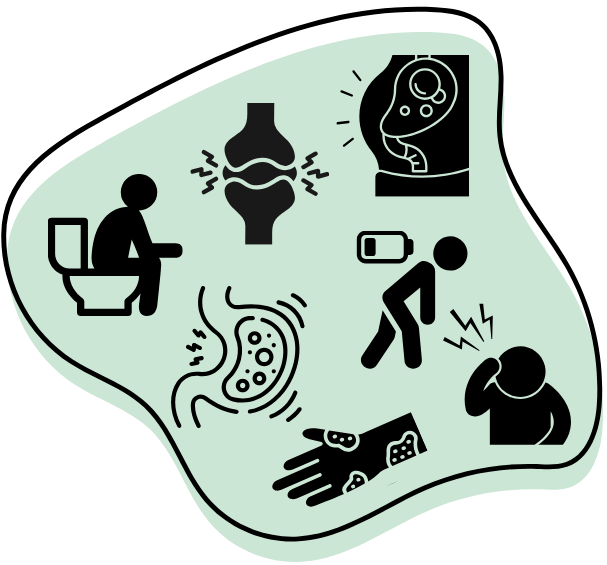
The symptoms of coeliac disease vary from person to person and can range from mild to severe. Common symptoms include:
- Stomach pain
- Bloating
- Diarrhoea, excessive wind and/or constipation
- Fatigue
- Headaches
- Joint pain
- Skin problems, such as eczema
If untreated, coeliac disease can lead to serious long-term health problems, including poor growth in children and other complications.
Managing coeliac disease
The only effective treatment is a strict gluten-free diet for life. Even small amounts of gluten can cause harm.
Key actions:
- Follow the child’s individual healthcare or dietary plan
- Ensure all staff understand that coeliac disease is serious and lifelong
- Carefully check ingredient labels for gluten-containing cereals such as wheat, barley and rye
- Prevent cross-contamination, for example, by separating utensils, cleaning surfaces thoroughly and avoiding shared food
- Provide clear, accurate food information for all meals and snacks
- Report any symptoms or concerns to parents or carers promptly