
Posture (28791)
The natural curves and proper posture of the spine play a critical role in protecting it from injury.
The spine has four natural curves:
- The inward curve at the neck
- The outward curve at the upper back
- The inward curve at the lower back
- The outward curve at the base
These curves help:
- Absorb shock during movement (like walking or jumping)
- Distribute weight evenly along the spine
- Prevent excessive strain on individual vertebrae or discs
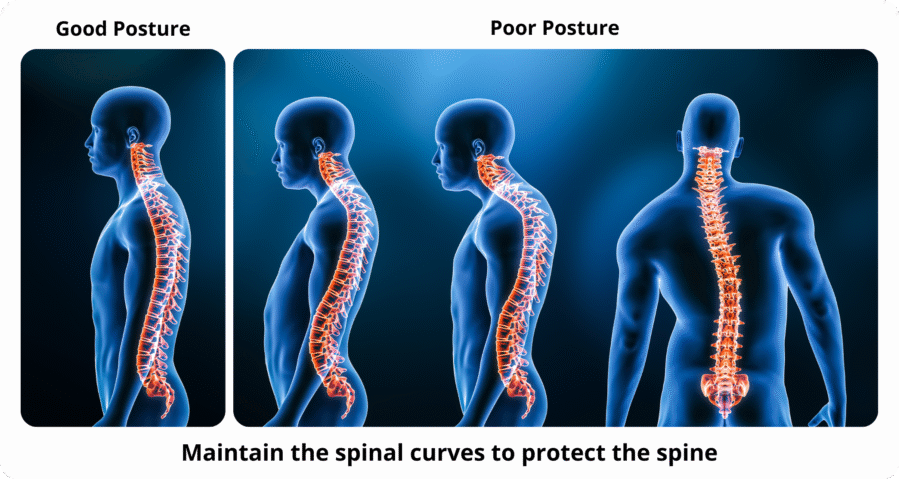
Good posture helps:
Maintain Alignment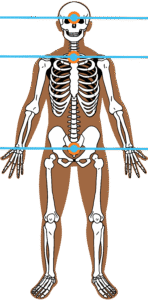
Good posture keeps your head, shoulders, and pelvis in alignment. It reduces wear and tear on joints and discs, minimises muscle fatigue and helps nerves pass freely through the spine without being pinched or compressed
Support Muscle Efficiency
Muscles around the spine:
- Work in balance, avoiding overuse or weakness
- Provide dynamic stability for spinal movement and load-bearing
Prevent Abnormal Stress and Injury
Without these curves or with poor posture such as slouching or hyperextending:
- The spine becomes more vulnerable to disc herniation, arthritis, and back pain
- Over time, this can lead to chronic misalignment and musculoskeletal problems
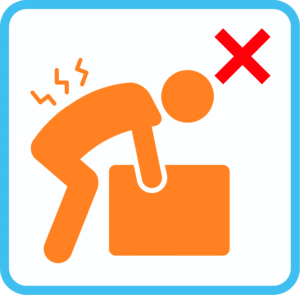
Injuries most commonly occur:
- When you bend from the waist as the lumbar spine (lower back) takes most of the strain.
- When you twist while lifting as this can compress discs unevenly, increasing injury risk.
- Over time, poor technique can lead to muscle strain, herniated discs, and chronic back pain.