
WEBAPP The Musculoskeletal System (32315)

Musculoskeletal System
Your musculoskeletal system is made up of a complex network of bones, muscles, tendons, ligaments, and joints that work together to provide support, stability, and movement.
It gives your body a structural framework, protects our internal organs, produces blood cells, and enables you to do everyday activities like walking, lifting and even smiling!
Taking care of your musculoskeletal system is important for overall health and well-being.
Understanding how to perform manual handling tasks correctly will help you to protect your musculoskeletal system from injuries and conditions that can cause pain to your back, joints and limbs known as musculoskeletal disorders or MSD's for short.
Here are some key components of the musculoskeletal system:
Bones
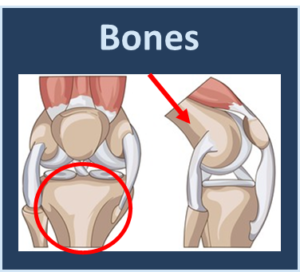
The skeletal system consists of over 200 individual bones, which serve as the framework for the body. They provide support and protection for organs, anchor muscles, and store minerals such as calcium and phosphorus.
Muscles
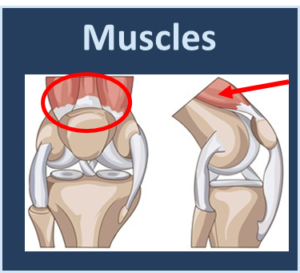
Muscles are soft tissues composed of contractile cells. They are responsible for generating force and enabling movement by contracting and relaxing. Muscles are attached to bones by tendons, which are tough bands of connective tissue.
Joints
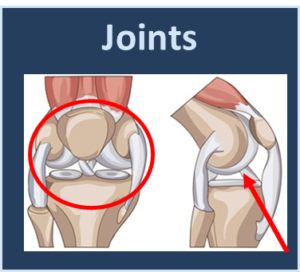
Joints are the connections between bones. They allow for movement and flexibility. Some joints, like the ball-and-socket joint of the shoulder or hip, allow a wide range of motion, while others, like the joints between the bones of the skull, are immovable.
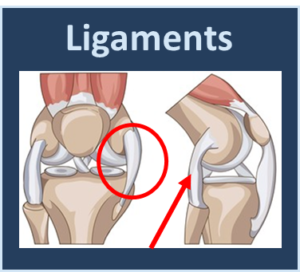
Tendons
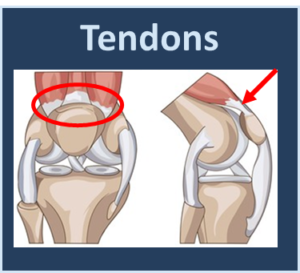
Tendons are dense connective tissues that connect muscles to bones. They transmit the force generated by muscles to produce movement.
Cartilage
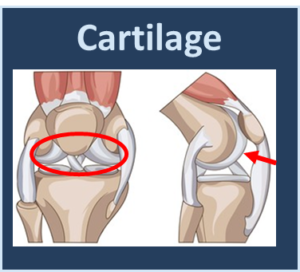
Cartilage is a smooth, flexible, and resilient connective tissue that covers the ends of bones in joints. It helps reduce friction, absorb shock, and facilitate smooth movement within joints.