WEBAPP Techniques – lifting & lowering (32338) NO H5P
Now watch the video to see the techniques in action
Source: Engineering Education
Plan
To reduce the risk, consider these simple questions when planning a lift:
- Can I avoid lifting altogether?
- Do I need personal protective equipment, like safety shoes or boots?
- Can I ask someone for help or use a handling aid, like a trolley?
- What are the contents of the load? Will they shift or pose any harm?
- Are there handles I can hold onto for a secure grip?
- Which route should I take for the lift?
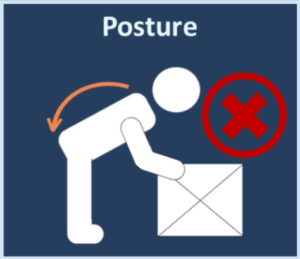
Posture
Maintain proper posture during lifting:
- Avoid excessive stooping, bending your back, and deep squatting.
- Ensure a secure grip on the load or utilize handles, if available.
- Prior to lifting, raise your head and straighten your body for a smooth and controlled movement.
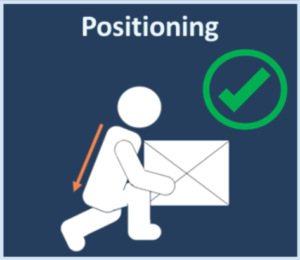
Positioning
Maintain a stable position during manual handling:
- Avoid assuming an unstable position that may compromise your balance and increase the risk of injury.
- Position your feet hip-width apart, with one foot slightly ahead of the other, to establish a stable base.
- Wear clothing that allows for unrestricted movement, ensuring it does not impede your ability to handle objects safely.
Proximity
Keep the load close to your body:
- Hold the load as close to your body as possible.
- Position the heaviest side of the load closest to you.
- Keeping the load close reduces the risk of back and muscle injuries.

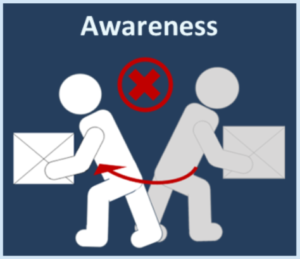
Awareness
Take care of your back:
- Once you have lifted the load, avoid flexing or bending your back.
- Steer clear of twisting while lifting, lowering, pulling, or pushing the load.
- Keep your shoulders and trunk aligned parallel to your pelvis and hips.
- Use your feet to change direction when lifting, lowering, and placing the load. By following these guidelines, you can minimize the risk of back and muscle injuries.
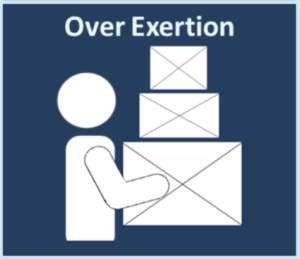
Over Exertion
Take it easy when lifting:
- Avoid attempting to lift a load that you cannot handle safely.
- If needed, adjust the position of the load to ensure a secure grip before lifting.
- Seek assistance from another person if the load is too heavy or awkward to lift alone.
If you receive help:
- Communicate and discuss the lift with all individuals involved, ensuring everyone is on the same page.
- Clear the surrounding area to create a safe workspace.
- Designate one person as the coordinator to oversee and organize the lift.
- Use a countdown such as "3-2-1-lift" to synchronize the lifting action.