- A rapid pulse
- Pale, cold, clammy skin
- Sweating
(18080) *Shock* Universal 2024 +
Shock is a life-threatening condition caused by a lack of oxygen to the vital organs of the body.
This type of shock is not the same as the emotional response of feeling shocked, which can also occur after an accident.
Main causes of shock
- Severe blood loss (hypovolaemic shock)
- Heart related emergencies such as heart attack and cardiac arrest (cardiogenic shock)
- Severe allergic reaction (anaphylactic shock)
- Shock can also occur after severe burns, severe vomiting and bacterial infection
Signs of shock include:
- Rapid, shallow breathing
- A fast, weak pulse
- Thirst
- Cyanosis – grey blue tinges to the lips and skin
- Weakness and dizziness
- Anxiety, confusion, restlessness, aggression
- Yawning and gasping for air
- Unconsciousness
First Aid for shock
- Dial 999 or 112 for emergency help

- Treat any obvious injuries or medical conditions
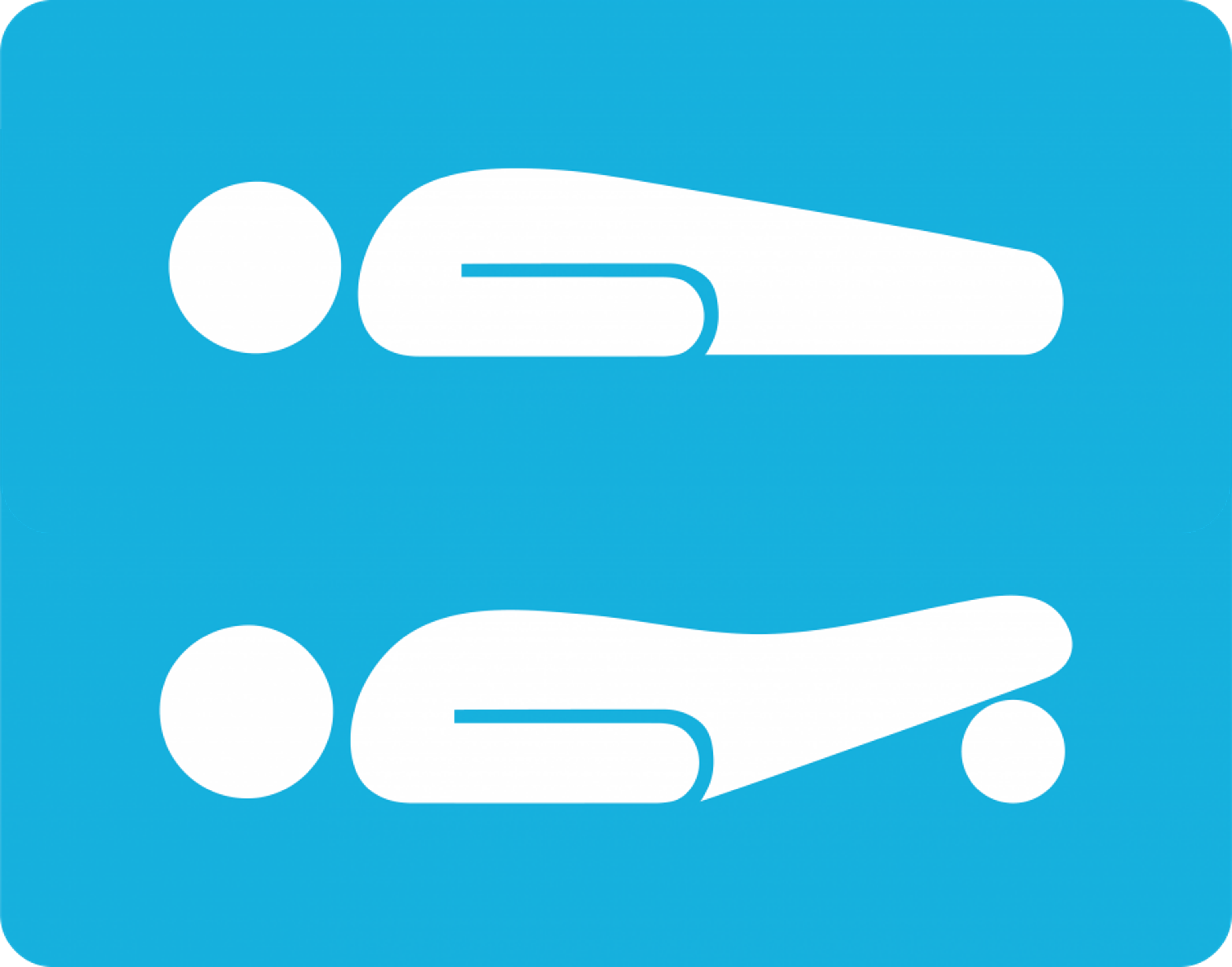
- Lay the casualty down if possible
- If there is no evidence of trauma, you can raise the casualty’s legs while waiting for the emergency services to arrive
- Keep the casualty warm (but don’t overheat them)
- Do not give them anything to eat or drink
- Give lots of comfort and reassurance
- Monitor the casualty
- If they stop breathing, start CPR
NOTE: Place a cushion or rolled up coat etc under the right hip of a heavily pregnant casualty, so that the weight of the baby does not restrict blood flow back to the heart.