
(31935) Allergies and Associated Health Conditions
Children with allergies are more likely to have other related conditions. These can increase risk and should always be taken seriously in a school setting.
Asthma
Asthma affects the airways and can cause coughing, wheezing, and breathing difficulties. It is particularly important to note that children with both asthma and allergies are at higher risk of severe allergic reactions, including anaphylaxis. Allergens such as pollen, dust mites, or animal dander may trigger symptoms.
Advice for school staff:
- Ensure asthma action plans are up to date and easily accessible
- Be aware of children with both asthma and allergies, as this increases risk
- Never delay giving an adrenaline auto-injector if anaphylaxis is suspected, even if asthma is also present
Allergic Asthma
This type of asthma is triggered by allergens in the environment. It causes inflammation and narrowing of the airways, leading to breathing difficulties. Common triggers include house dust mites, pollen, and pet allergens. Symptoms may vary throughout the year depending on exposure.
Advice for school staff:
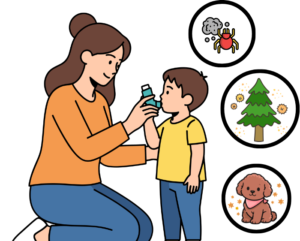
- Monitor known triggers within the school environment
- Support children in avoiding exposure where possible
- Recognise the difference between asthma symptoms and anaphylaxis, but treat urgently if unsure
Eczema (Atopic Dermatitis)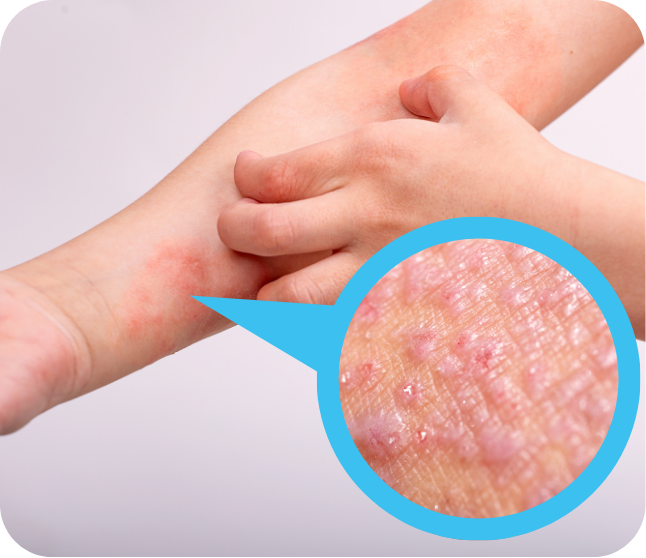
Eczema is a long-term condition that causes dry, itchy, and inflamed skin. It is linked to the allergic condition “atopy.” While allergens do not directly cause eczema, triggers such as certain foods, environmental allergens, soaps, temperature changes, and stress can worsen symptoms. Skin may also be more vulnerable to infection.
Advice for school staff:
- Be aware of individual triggers and care plans
- Support regular use of prescribed creams if required
- Help reduce irritation (e.g. avoid harsh soaps or overheating where possible)
- Understand that eczema can impact a child’s comfort, concentration, and wellbeing