(32178) Anaphylaxis – Emergency Response
Emergency response - treatment for anaphylaxis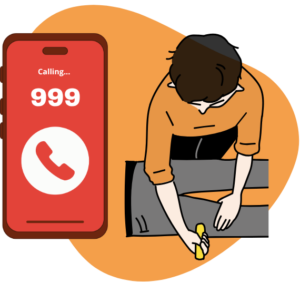
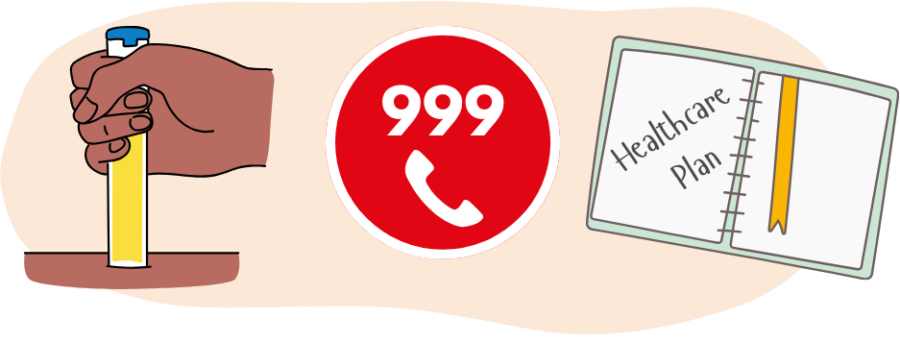
- Call 999 for emergency help
- Ensure the child is lying down
- If they are struggling to breathe, they may sit supported with their legs extended
- Remove the trigger if it is known and it is possible to do so
- Give adrenaline immediately using an auto-injector (AAI) or nasal spray or help the child to take their medication themselves, if they are able to do so
- Parents/carers should be contacted as soon as practicably possible once emergency action has been taken
Do not delay administering adrenaline. If you're with someone else, one of you should ring 999 while the other helps the child to use their medication. If you’re alone, call 999 immediately and put your phone on speaker so that there is no delay in administering medication while waiting for the call handler’s instructions. Do not allow the child to stand or sit in a chair, even if they are feeling better. This could cause a drastic fall in their blood pressure, leading to cardiac arrest.
Important
If the child's adrenaline medication is not with them, someone should fetch it immediately.
Avoid the child having to walk or run to get their medication, as physical exertion may worsen anaphylaxis and delay emergency treatment.
If symptoms persist:
If there is no improvement after 5 minutes, give a second dose of adrenaline, ideally in the opposite leg (if using an AAI).
Stay with the child until emergency services arrive.
All casualties must go to hospital for observation after anaphylaxis even if they appear to have recovered.
If the child becomes unresponsive:
- Check airway and breathing
- Begin CPR if needed
Key points:
- Adrenaline is the first-line treatment for anaphylaxis
- Do not delay giving adrenaline while waiting for an ambulance
- Always follow the child’s individual healthcare plan, where available