
(32460) The Development of Allergy Safety in Schools
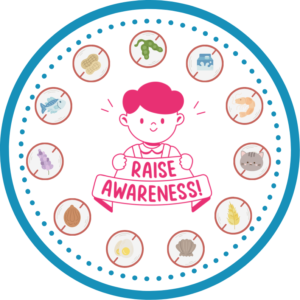 Over the past decade, awareness of allergies and anaphylaxis in schools has increased significantly.
Historically, allergy training and procedures in schools were often inconsistent, with approaches varying between settings and staff receiving limited guidance.
However, as the number of children living with allergies has continued to rise, national attention has increasingly focused on the need for safer and more consistent support in educational settings.
Research suggests that around 20% of serious allergic reactions to food happen whilst a child is at school, and in some cases these reactions occur in children with no previous history of food allergy.
Increased awareness has also followed several tragic allergy-related deaths involving school-aged children, including Karanbir Cheema, Nasar Ahmed, and Benedict Blythe.
These cases highlighted the importance of allergy awareness, emergency preparedness, staff training, and consistent procedures within schools and educational settings.
From September 2026, schools are expected to follow strengthened statutory guidance on allergy management, including staff training, emergency procedures, and whole-school approaches to allergy safety.